
GHK-Cu Dosage Chart
This GHK-Cu dosage chart explains a 50 mg vial prepared to a final volume of 3.0 mL for a concentration of 16.67 mg/mL. The GHK-Cu dosage protocol examples below cover 1.0 mg, 1.5 mg, and 2.0 mg amounts, with matching U-100 syringe units, reconstitution steps, supplies, and research context.
- Reconstitute: Prepare the 50 mg vial to a final volume of 3.0 mL for a concentration of 16.67 mg/mL.
- Research protocol range: The tables below cover 1.0 mg, 1.5 mg, and 2.0 mg using the standard and alternative research-use schedules.
- Easy measuring: At 16.67 mg/mL, 1 U-100 unit = 0.01 mL = approximately 166.7 mcg.
- Quick conversions: 1.0 mg = 6 units, 1.5 mg = 9 units, and 2.0 mg = 12 units.
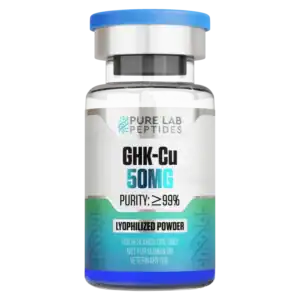
GHK-Cu, or glycyl-L-histidyl-L-lysine copper complex, is a naturally occurring copper peptide studied for collagen-related pathways, tissue remodeling, antioxidant defense, and skin repair[7][8]. This educational GHK-Cu dosage protocol presents the same research-use schedule for the 50 mg vial, with calculations adjusted for its concentration.
Research context: For evidence on mechanisms, human and preclinical research, limitations, and safety, read GHK-Cu Peptide: Benefits, Uses, Side Effects, Dosage, and Research.
Dosing & Reconstitution Guide
Educational guide for reconstitution and common dosing patterns
Standard / Conservative Approach (3 mL = 16.67 mg/mL; 5 days/week)
| Week/Phase | Dose per Injection | Units (per injection) (mL) |
|---|---|---|
| Weeks 1-4 | 1.0 mg (1000 mcg) | 6 units (0.06 mL) |
| Weeks 5-8 | 1.5 mg (1500 mcg) | 9 units (0.09 mL) |
| Weeks 9-12+ | 2.0 mg (2000 mcg) | 12 units (0.12 mL) |
Frequency: Once daily, 5 days per week, progressing from 1.0 mg to 1.5 mg and then 2.0 mg as shown above. At 16.67 mg/mL, those doses equal 6, 9, and 12 U-100 units[18]. Use a U-100 syringe with markings that clearly display every value in the table.
Reconstitution Steps
- Draw 3.0 mL of the protocol-specified sterile diluent with a sterile syringe.
- Add it slowly down the vial wall to reduce foaming.
- Gently swirl or roll until dissolved. Do not shake.
- Label the vial with the 16.67 mg/mL concentration, preparation date, and storage instructions.
Alternative Protocol (3 mL = 16.67 mg/mL; 3 times weekly)
| Week/Phase | Dose per Injection | Units (per injection) (mL) |
|---|---|---|
| Weeks 1-12+ | 2.0 mg (2000 mcg) | 12 units (0.12 mL) |
Frequency: 2.0 mg three times per week, such as Monday, Wednesday, and Friday. At 16.67 mg/mL, each injection equals 12 U-100 units (0.12 mL), for approximately 6 mg per week[18].
Supplies Needed
Plan based on an 8-16 week protocol. Calculations are shown for both the 5 days/week and 3 times/week schedules.
-
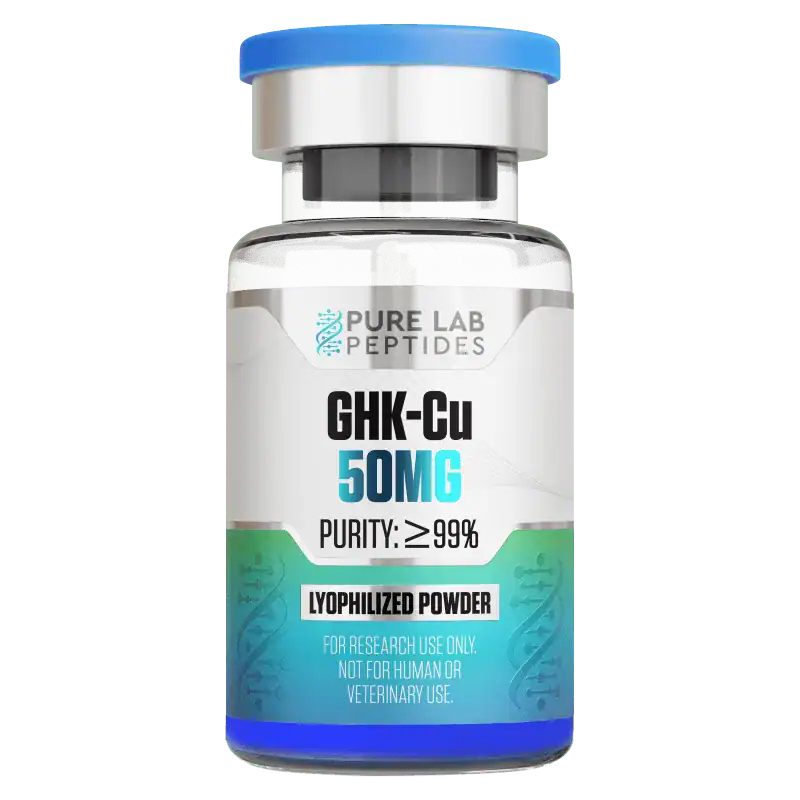
Peptide Vials (GHK-Cu, 50 mg each):
- 5 days/week (1.0-2.0 mg/day):
- 8 weeks (~50 mg total): 1 vial
- 12 weeks (~90 mg total): 2 vials
- 16 weeks (~130 mg total): 3 vials
- 3 times/week (2 mg each):
- 8 weeks (~48 mg total): 1 vial
- 12 weeks (~72 mg total): 2 vials
- 16 weeks (~96 mg total): 2 vials
-
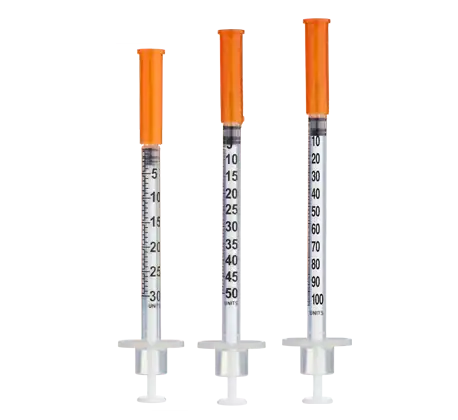
Insulin Syringes (U-100, 29-31 gauge):
- 5 days/week:
- Per week: 5 syringes
- 8 weeks: 40 syringes
- 12 weeks: 60 syringes
- 16 weeks: 80 syringes
- 3 times/week:
- Per week: 3 syringes
- 8 weeks: 24 syringes
- 12 weeks: 36 syringes
- 16 weeks: 48 syringes
-
Sterile or Bacteriostatic Water (10 mL bottles): Use 3.0 mL per vial for the displayed calculation.
- 1 vial: 3 mL
- 2 vials: 6 mL
- 3 vials: 9 mL
-
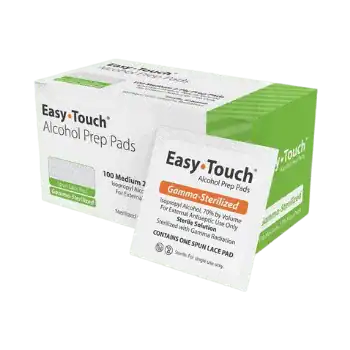
Alcohol Swabs: Two administration swabs per injection: one for the vial stopper and one for the injection site.
- 5 days/week:
- Per week: 10 swabs
- 8 weeks: 80 swabs or 1 x 100-count box
- 12 weeks: 120 swabs or 2 x 100-count boxes
- 16 weeks: 160 swabs or 2 x 100-count boxes
- 3 times/week:
- Per week: 6 swabs
- 8 weeks: 48 swabs or 1 x 100-count box
- 12 weeks: 72 swabs or 1 x 100-count box
- 16 weeks: 96 swabs or 1 x 100-count box
Planning note: Peptide and water totals are arithmetic minimums based on the listed schedule. Follow the handling and discard limits for the exact products used.

Protocol Overview
Concise summary of the GHK-Cu dosage protocol and 50 mg vial calculations.
- Goal: Present GHK-Cu research dosage, reconstitution, supplies, and measurement context in one consistent protocol.
- Schedule: The standard table uses 5 days per week; the alternative table uses 3 times per week.
- Amount Range: 1.0 to 2.0 mg per administration within the research protocol examples.
- Reconstitution: A final volume of 3.0 mL produces 16.67 mg/mL.
- Measurement: 1.0 mg equals 6 units, 1.5 mg equals 9 units, and 2.0 mg equals 12 units.
Dosing Protocol
Research-use protocol examples with verified 50 mg vial conversions.
- Standard model: Weeks 1 to 4 use 1.0 mg or 6 units; weeks 5 to 8 use 1.5 mg or 9 units; weeks 9 to 12+ use 2.0 mg or 12 units.
- Alternative model: 2.0 mg or 12 units, three times per week.
- Route context: The tables present subcutaneous research-use calculations.
- Cycle context: The main table covers 8 to 12+ weeks, while the Supplies Needed section also provides totals through 16 weeks.
- Protocol source: These schedules reflect practice conventions summarized by a compounding source[18]. Published evidence is summarized lower on the page.
Storage Instructions
Storage requirements should match the exact GHK-Cu preparation.
- Dry material: Follow the vial and batch documentation for temperature, moisture, and light protection[13].
- Prepared solution: Stability depends on concentration, pH, diluent, sterility, container, preservatives, and temperature.
- Handling: Minimize unnecessary light, moisture exposure, and repeated freeze-thaw cycles[13][14].
- Recordkeeping: Record the preparation date, concentration, storage temperature, and applicable disposal date.
Important Notes
Practical considerations for consistent research preparation and recordkeeping.
- Use new sterile equipment for each preparation or administration and use a suitable sharps container[17].
- Follow the written protocol for site selection and rotation[15].
- Use aseptic technique and allow skin antiseptic to dry before administration[16].
- Document the amount, date, preparation identifier, and site used.
Research Evidence Context
Published human GHK-Cu research has primarily evaluated topical and wound-care formulations[1][2][3][4][5], while local administration in an animal wound model provides additional preclinical context[6]. The subcutaneous schedules above are research-use practice conventions[18], so findings should be interpreted according to route and formulation. Current clinical-trial and FDA materials provide additional topical, compounding, and regulatory context[9][10][11][12].
How This Works
GHK-Cu is a naturally occurring copper-binding tripeptide studied in extracellular-matrix signaling, collagen-related pathways, antioxidant defense, and tissue remodeling[7][8]. Human studies provide topical and wound-care context[1][2][3][4][5], while an animal wound model provides local-administration context[6].
Potential Benefits & Observed Effects
Findings reported in the GHK-Cu research literature.
- Supports research into collagen-related signaling, extracellular-matrix remodeling, and tissue repair[6][7][8].
- Human topical and wound-care studies have examined skin and tissue outcomes in formulation-specific settings[1][2][3][4].
- Human-skin penetration research provides additional topical-delivery context[5].
- Observed findings depend on route, formulation, concentration, and study design; the supporting context is summarized in Important Notes above.
Lifestyle Factors
Complementary approaches to support tissue health and regeneration.
- Maintain adequate protein intake to support collagen synthesis and tissue repair processes.
- Ensure sufficient hydration and micronutrient status (particularly copper, zinc, vitamin C) for optimal connective tissue metabolism.
- Prioritize sleep quality and stress management to support regenerative biological processes.
- Consider combining with appropriate skincare or wound-care protocols as relevant to individual goals.
Injection Technique
General subcutaneous technique references are included for preparation and measurement context[15][16][17].
- Follow aseptic technique and use new sterile equipment for each administration.
- Use the protocol-specified site, angle, and device; the CDC job aid illustrates general subcutaneous technique[16].
- Rotate sites systematically and document each administration[15].
- Dispose of used sharps immediately in an appropriate container[17].
Important Note
This content is intended for therapeutic educational purposes only and does not constitute medical advice, diagnosis, or treatment.
References
Research References
-
Mulder GD, et al. Wound Repair and Regeneration. Human diabetic-ulcer study of topical glycyl-L-histidyl-L-lysine copper.
-
Miller TR, et al. Archives of Facial Plastic Surgery. 2006. Topical copper tripeptide complex after carbon-dioxide laser resurfacing.
-
Abdulghani AA, et al. 1998. Comparative topical-cream study including a copper-binding peptide preparation.
-
Badenhorst T, et al. 2016. Split-face GHK-Cu nano-serum study of collagen, elastin, and wrinkle-related outcomes.
-
Hostynek JJ, et al. Inflammation Research. 2010. Final human-skin penetration paper for a GHK-Cu preparation.
-
Maquart FX, et al. Journal of Clinical Investigation. 1993. Local GHK-Cu exposure in a rat wound-chamber model.
-
Pickart L, Margolina A. International Journal of Molecular Sciences. 2018. Review of regenerative and gene-expression research involving GHK-Cu.
-
Maquart FX, et al. 2000. GHK-related modulation of matrix metalloproteinase-2 expression.
-
ClinicalTrials.gov. NCT07437586. Ongoing Phase 2 study of topical GHK-Cu gel for acute skin-wound healing.
-
U.S. Food and Drug Administration. Compounding safety-risk information that includes injectable GHK-Cu.
-
U.S. Food and Drug Administration. 503A Categories Update. Route-specific bulk-substance evaluation context for GHK-Cu.
-
U.S. Food and Drug Administration. 510(k) K953853. Iamin Gel topical wound-dressing device record.
Additional Technical and Protocol Sources
-
GenScript. General peptide storage and handling guidance.
-
Tocris Bioscience. General stability and storage guidance for laboratory materials.
-
Roswell Park Comprehensive Cancer Center. General self-injection preparation, site rotation, and disposal guidance.
-
Centers for Disease Control and Prevention. Current subcutaneous injection technique job aid.
-
World Health Organization, NCBI Bookshelf. Best practices for injections and related procedures.
-
Salhab Pharmacy. Practice-convention source for commonly published GHK-Cu schedules. This is not a controlled human dose-ranging trial.
Related research, protocols, and guides
Explore the available research context, protocol variants or comparisons, and practical guides. When vial-size variants exist, they remain separate because vial strength, concentration, and syringe-unit calculations can differ. Related compounds and blends are comparisons only, not interchangeable.
Research overview
Other vial-size protocols
Related protocols and comparisons